Overview The journey The library The consultation Behind the scenes Privilege and the Bar Sign in Try it
Catalisa · Law firms

Whoever answers first gets the case.

WhatsApp intake that routes each inquiry to the right practice area, answers with your firm's own material and books the consultation on your calendar — while you are in a hearing, or asleep.

What changes

The first reply no longer depends on someone having the phone in hand.

What doesn't

Case analysis is still yours. Nothing sensitive goes out without someone accountable.

What the assistant knows

It answers from your firm's library: policy, legal theories, past filings and the client's history.

The thesis

Clients don't pick the best firm. They pick the first one that answered.

Someone looking for a lawyer has a problem that is already keeping them up at night. They message three firms at once, at eleven p.m., and hire whoever replies.

Almost everyone promises a fast reply. A fast reply drawn from your firm's own library — your policy, your legal theories, your filings — is what almost no system delivers. And the conversation is only the tip: what eats the payroll is never missing a deadline, drafting the filing and not forgetting the next step.

Hands holding a lit phone in a dark room
21×

more likely to qualify the client when you reply within five minutes instead of thirty.

lead response studies
7%

of lawyers make that window. The other 93% reply later — after the client has already talked to someone else.

digital legal intake
40%

less time spent on administrative work at firms that automated their routine.

law firm management

A message that arrives at 10 p.m. on a Friday usually waits until Monday for a reply. Not out of neglect — because on the other side there is a person, and that person was living.

What we hear

Four sentences, in the words of the people living them.

I replied on Monday. He had already signed with someone else.
New business

The window is minutes, and clients usually write to three firms at the same time. Whoever answers first doesn't even need to be the best.

It wasn't incompetence. Nobody remembered.
Deadlines

A missed deadline turns into malpractice liability and a disciplinary proceeding. The cause is almost never technical — it is a next step that depended on someone's memory.

Only the senior partner knows which theory fits that case.
Know-how

The firm's repertoire lives in two people's heads. It goes on vacation with them, and it walks out the door when they leave.

I spend the day answering what I already answered yesterday.
Routine

A lawyer's hour spent on admin is the most expensive hour at the firm — and the one the client doesn't pay for.

Two profiles

A ten-lawyer firm and a solo practitioner don't buy the same thing.

The engine is the same. What changes is how many codes exist, whose calendar it is and where urgent matters go.

Firm Solo practitioner The number One for the firm, with one code per lawyer Your own, with a single code The calendar Each lawyer connects their own Yours, connected in two minutes Urgent matters Go to the phone of the lawyer on the case Go to your phone The pipeline Shared, with an owner per case Yours, and nobody else touches it Who configures it Each lawyer, in their own portal: calendar, tone, office hours and urgent-line phone You, in the portal, without opening a ticket To get started A number and the firm's policy as a PDF Sign-up, with no rollout project and no tech team

It works the other way too: a solo practitioner who grows into a firm doesn't start over — the new codes join the same number and each lawyer connects their own calendar.

Before you go on

The six that always come up.

Do we need to change the firm's WhatsApp number?

It needs to belong to the firm and be dedicated to client intake. If today it lives on someone's personal phone, the path is moving to a firm number — the client still sees a single number, under your name.

Does the AI answer on its own? Who reviews it?

It handles routine on its own: welcoming the person, identifying the practice area, giving general guidance, listing documents, offering time slots. Anything that affects someone's case — analysis, strategy, amounts — never comes from it.

When neither the firm's library nor the system has the answer, the conversation says it will check and hands off to the lawyer with the full history attached.

How long until it is answering clients?

Days, not months. Connect the number, upload the documents, link the calendar and tune the tone. A solo practitioner can do it alone in an afternoon.

Once it is set up, who changes the configuration?

The lawyer, in a portal of their own: connect the calendar, set office hours and minimum notice, write the firm's tone, give the phone number urgent matters go to, turn consultation fees on or off and grab the WhatsApp link to share.

At a multi-lawyer firm, each lawyer configures their own — without going through you and without opening a ticket with us.

Do we need a tech team on our side?

No. You need someone who knows client intake up close. Configuration happens on screen and the flow can be edited without code.

Can we add a practice area that isn't on the list?

Yes, without waiting for a new release: you write the specialist, add the line to the registry and triage starts offering it right away. Estates, real estate, medical law — it is configuration.

How does contracting work?

One slice at a time: switch on the piece that solves the problem and measure it with real client traffic before expanding. No off-the-shelf price list — a firm that only uses intake doesn't run the same operation as one that uses the whole case flow.

How it starts

Four steps, and the first one is a conversation.

No screen demo in the first conversation.

  1. 01Half an hour on your process. How the firm handles intake, where clients drop off and what arrives after hours.
  2. 02The slice. What goes live first — intake, library or consultation — and what is deliberately left out.
  3. 03Setup in your environment. Number, library, calendar and the copy that reflects your policy. Measured in days.
  4. 04A pilot with real clients. Measuring what matters: time to first reply and how many clients made it to a consultation.
A client being welcomed by a lawyer at a law office
01 · The case journey

Tuesday, 10:47 p.m. The office is closed.

Nothing here depends on someone remembering. And no step sends anything unless the lawyer has already decided what is automatic.

22:47

The message arrives

"Good evening, I was fired today and I'm not sure I got everything I'm owed." Before any reply, the disclosure: this is the firm's artificial intelligence, it does not replace the lawyer, and to opt out just type STOP.

deterministic actiononce per case
22:47

Triage by practice area

A classifier reads the message and returns a label from a closed list. The flow maps it to the employment law specialist; anything else would fall to general triage — never a guess.

8 specialtiesclosed enum
22:48

Guidance from the firm's library

What usually applies, which documents to gather, what can't be stated without seeing the case — all of it drawn from the firm's policy and legal theories, not from the internet.

no promised outcomeno amounts quoted
22:52

Consultation booked on the real calendar

Slots that actually exist on the lawyer's calendar, within office hours. It creates the event with the client as a guest and schedules the 24-hour reminder.

connected calendarreminder with confirmation
08:10

The lawyer takes over

The case is already in the pipeline, with stage and classification, a summary of the conversation and the documents the client sent. The first task of the day is reading, not asking.

case in the pipelinestage and classificationfull history
The conversation

The channel where people actually reply.

Not a widget on the website: it is the firm's WhatsApp, in the firm's tone. On the right, what happened behind each message.

BV
Barros & Vilela Advogados
online
Good evening, I was fired today and I'm not sure I got everything I'm owed22:47
You are talking to the firm's virtual assistant. It helps with initial guidance and does not replace a lawyer's analysis. To opt out, type STOP.
Good evening. I'm sorry about what happened — let me help you get this organized.

From what you describe, this is about severance pay. Were you dismissed without cause? And how long had you worked there?22:47
Without cause, 3 years and 4 months22:48
In that scenario the usual items are: final salary balance, notice pay, accrued and prorated vacation plus one third, prorated 13th-month salary, the 40% penalty on the FGTS (Brazil's severance fund) and unemployment insurance.

Before the consultation, gather: your work booklet, your last three pay stubs, the termination statement and your FGTS statement. The exact figures are for the lawyer to check.22:48
Can I talk to the lawyer?22:51
You can. Mr. Barros has Thursday at 10 a.m. or Thursday at 3:30 p.m. Which works better?22:52

Message
The disclosure went out before any guidanceIt isn't a sentence the model chose to say — it is a step in the flow. A model forgets; a condition doesn't.
Triage picked a labelIt returned labor, from a closed list. Code maps the label to a specialist, not the AI.
The document list is your firm'sIt came from the employment checklist the firm uploaded. Change the checklist and the answer changes.
The time slots are realThey came from Mr. Barros's connected calendar, within the configured office hours. They aren't suggestions to confirm later.
What it didn't sayIt didn't promise an amount, didn't claim a win, didn't mention fees and didn't present a deadline as a certainty.
The router and the specialists

A generic assistant gets it wrong exactly where the case hurts.

Whoever answers doesn't know a little about everything. This is the registry triage consults.

LabelSpecialtyRecognized by
family-divorceFamily and Divorcedivorce · custody · child support · common-law union · property division
domestic-violenceDomestic Violenceassault · protective order · threats · Maria da Penha Law
laborEmploymentdismissal · termination · severance · overtime · FGTS · harassment
consumerConsumerwarranty · wrongful charge · bank · scam · chargeback
social-securitySocial SecurityINSS (social security agency) · retirement · benefits · BPC (welfare benefit) · medical exam · review
taxTaxtaxes · tax debt · installment plan · refund · fine
small-claimsSmall Claimssmall claims court · defective product · reimbursement
generalGeneral Triagewhen the area isn't clear yet — never guesses
  1. 01It doesn't switch specialists mid-case. As long as the subject stays the same, the same specialist keeps answering.Proven
  2. 02Domestic violence comes first. Support, the police (190) and the women's helpline (180) before any explanation of procedure, plus immediate escalation.Proven
  3. 03Urgent matters skip triage. The briefing goes to a phone fixed in the configuration — one way only: the lawyer gets the summary, the client gets support.Proven
  4. 04It waits for the person to finish typing. An anxious client sends five fragmented messages. Instead of replying five times, it gathers what came in and replies once, in full.By configuration
  5. 05It knows what time it is. During office hours it can offer to talk to someone right now; after hours, it reassures and books. The same conversation, two stances.By configuration
And your own

The eight come ready. The ones that matter are yours.

These eight cover what knocks on almost every firm's door. But what sets your firm apart from the one downstairs isn't the practice area — it is how you serve clients. You create your own, and not just by subject: by how your firm works.

  • By the subjects your firm masters — estates, real estate, medical law, agribusiness, sports law. Whichever makes you money.
  • By type of client — the business owner who is already a client doesn't get the same opening as someone who found you on Instagram today.
  • By case stage — initial consultation, signed engagement and "I just want a status update" are three different conversations.
  • By how you serve clients — the tone, the order of the questions and what is never stated at first contact.
  • By who answers — each lawyer at the firm with their own, behind the same number.
  • Without waiting for a new release — creating one means writing how it handles clients and connecting the library it reads. It goes live in minutes. That is how the eight were born.
A person signing documents on a desk
Documents

The client sends a photo of the contract. And a seven-minute voice note.

The formats in which case information actually arrives — and the ones that sit untouched until someone has time.

  • Photo — termination statement, notice, contract: the image is read and answered.
  • Audio — becomes text in the same flow, searchable and in the case history.
  • PDF — read in full, not by metadata. Contract, judgment, statement.
  • Anything else — a polite request to send it another way. Never silence, which is the worst outcome.

Exactly where this piece stands

All four paths are published and exercised. What's missing is a test with a file sent from a real phone — incoming media can't be simulated. Until then, it is a piece ready for demonstration, not a commercial claim.

Try it

There is no demo video. There is the system.

You sit on both sides of the same conversation: write as someone looking for a law firm and see, alongside, what the firm receives. It is the real triage — the same engine that answers on WhatsApp, through another door.

Be the client. And watch the firm receive it.

Describe a problem — a dismissal, a defective product, child support, a social security claim. Triage picks the area, that area's specialist replies, and the panel alongside shows the decision that just happened.

  • Demo firm Barros & Vilela, fictional data
  • Eight areas, the same registry as WhatsApp

Or talk to sales, right here.

You are yourself: a lawyer evaluating. The assistant answers from the material on this page and books the call on the real calendar — a slot that exists, with the invite in your inbox right away.

  • It reads the calendar; the server does the booking
  • The invite goes to the email you typed
02 · The firm's library

It doesn't answer for itself. It answers for your firm.

The difference between using generic AI and having your own comes down to one thing: where the answer comes from. Here, from what your firm has already written, won and filed away.

The design

Four collections, one engine, three places where it shows up.

Upload once and it applies to the WhatsApp conversation, the video consultation and the overnight automations. Not three integrations — the same library.

THE WHOLE LIBRARY, AVAILABLE ON DEMAND Firm documents FIRM POLICY AND CHECKLISTS Case law and theories RULINGS, PRECEDENTS, BRIEFS Past cases and filings PLEADINGS AND SETTLEMENTS The client and the case PROFILE, HISTORY, ATTACHMENTS The chat, 10:47 p.m. GUIDES WITH YOUR POLICY The video consultation RIGHT THEORY, WITH THE SOURCE The 6 a.m. routine CHECKS BEFORE ACTING UPLOAD ONCE READ IN THREE PLACES THE PASSAGE THAT ANSWERED IS LOGGED
There is only one bookshelf. The 10:47 p.m. chat, the video consultation and the 6 a.m. routine all reach for the same shelf — which is why swapping a checklist instantly changes what all three say. The library isn't a chat feature: it is the ground the chat stands on.
Collection by collection

What is worth uploading — and what it starts doing.

  1. Firm documents Intake policy, checklists per practice area, engagement and power-of-attorney templates, standard answers. The conversation starts answering the way the firm answers — and a new lawyer starts out knowing what the firm agrees to with clients.Proven
  2. Case law and theories The rulings the firm relies on, the binding precedents behind each theory, the briefs already written. In the consultation, the copilot recalls which theory fits that account, with the citation — and the senior partner's know-how stops living only in their head.By configuration
  3. Past cases and filings Complaints, defenses, appeals, opinions and settlements the firm has already produced. "Have we handled a case like this?" stops being a hallway question, and the new filing starts from your own standard — not from a purchased template bank.By configuration
  4. The client and the case Profile, earlier conversations, documents sent, what was agreed and the handwritten note. The second conversation picks up where the first left off — even with a different lawyer.Proven
How it works

You upload the file. PDF and Word go in as they are.

  • nodata project
  • nomodel training
  • nosomeone retyping the policy into a text field
  • Upload it as is. The document you would hand a new associate is what goes in.
  • Looking things up is the conversation's call. It searches when it needs to, and the passage it used is logged.
  • Updated means changed. A new version of the checklist changes the answer with no retraining and no touching the assistant.
  • Every collection has an owner. You choose which assistant reads which library.
  • No making things up. With no answer in the library, the conversation says it will check and calls a person.
intake-policy-2026.pdf section 3 · first consultation

"The first consultation is free and lasts 30 minutes, in person or by video. Urgent domestic violence cases are seen the same day, regardless of the calendar."

This is the passage that backed the answer about the consultation, two messages earlier. The trace is stored with the conversation.

A caveat we'd rather state up front

Today the library belongs to the firm, not to each lawyer within it. Material shared across the firm is safe by design; material private to a single lawyer at a firm with several codes needs a partition that doesn't exist yet. We don't promise what isn't ready.

The difference

Almost every system on the market stores. Few of them read.

Most legal software is a well-organized archive: you upload the filing and search for it later. And most "AI assistants" answer with what the vendor trained — not with what your firm decided.

What you usually get
  • Answers with generic knowledge, the same for your firm and for the competitor down the street.
  • The library is a repository: it stores well, and someone has to go dig.
  • A single assistant that knows a little about everything — and gets it wrong where the case hurts.
  • The chat lives in one tab. The meeting lives in another tool. Automation, in a third.
  • You don't know where the answer came from.
  • The bot sends. Later you find out what it sent.
What you get here
  • Answers with your policy, your theories and your filings. Change the document, the answer changes.
  • The library is read on the spot, inside the conversation — nobody has to go dig.
  • Specialists by practice area and by the way your firm serves clients, created by you in minutes.
  • The same base serves WhatsApp, the video consultation and the routines that run overnight.
  • The passage that backed the answer is stored with the conversation.
  • Anything that affects a case waits for a lawyer to read it. You draw the line.

Why this is rare

Because it isn't a feature, it is architecture: library, conversation, meeting room and automation have to be part of the same system — and almost nobody has all four. Those who only have the chat sell integration; those who only have the repository sell search.

03 · The video consultation

A second pair of ears, on your side of the table.

It opens from a link, with nothing to install and no account for the client. Speech is transcribed live and the copilot writes on your screen — only yours.

Consultation · Employment termination — new client recording
Lawyer during the consultation Mr. Barros · you
MC Client
Client · …then they said it was a settlement, that I'd get half and sign a paper saying everything had been paid in full. I signed it the same day, right there at the company.
On wrap-up · summary saved to the case, open items become tasks, and the draft follow-up waits for you to release it.
Copilot
Missing question

He said he signed the same day, at the company. Ask whether a union representative or a lawyer was present when he signed.

Firm theory

A blanket release signed without assistance is the scenario in the brief you used in the Andrade case.

brief-blanket-release.pdf · §2
Left hanging

The period worked and the job held haven't come up so far.

Visible only to you
  1. 01Missing question. A fact stated without detail becomes a pointed question. A conversation that is flowing well gets no suggestion — silence is an answer too.
  2. 02Firm theory. The account matches a brief, a ruling or a past case of the firm, and comes with the citation.
  3. 03Left hanging. A topic raised and never picked up again becomes a follow-up — so the gap doesn't surface after the client hangs up.
Before the room opens

It walks in knowing who is on the other side.

The profile is assembled before the call and stays in your sidebar the whole conversation. On the other side, nobody sees any of it.

  • What has already been discussed — the message from three weeks ago, in his own words.
  • Previous consultations — what was agreed, what is pending, what he was going to think over.
  • The case documents — whatever came in over WhatsApp is already attached.
  • The firm's library — theories and past filings that match the subject of the consultation.
A lawyer reviewing documents at her desk
  1. 01The engine is in production. Room, live transcription, copilot and wrap-up summary already run and have been measured on real calls.Proven
  2. 02The legal profile. What the copilot watches for in a termination consultation is not what it watches for in a status meeting — that is text, not development.By configuration
  3. 03Nobody on the other side sees it. Suggestions appear only to whoever runs the meeting; the client sees an ordinary room and consents to recording before joining.Proven

The same room serves other conversations

Check-ins with corporate clients, hearing preparation, partners' meetings about the portfolio: same recording, same transcript, same record. Only the copilot's profile changes — what it watches for and what it ignores.

04 · What runs without a conversation

The conversation is the tip. The firm is underneath.

What eats the payroll isn't talking to clients. It is checking deadlines, drafting filings, finding what has already been written, chasing documents and remembering who went quiet. None of that is conversation — and all of it is what cannot fail.

The thesis

The conversation is the top sheet.

What the client sees — and what every intake tool sells — is a single sheet. Underneath it lies the whole case, and that is where the firm makes or loses money.

The chat THE VISIBLE TIP Check the deadline and what is still missing Find the past filing of the same kind Draft it with the firm's legal theory Chase the document that never arrived File it, log it and archive it Remember who stopped replying WHAT EVERYONE BUYS and the only part that shows WHAT EATS THE PAYROLL None of it is conversation. All of it still depends on someone's memory. THE SAME ENGINE WORKS THE SIX LAYERS BELOW — AND THAT IS WHERE THE FIRM MAKES OR LOSES MONEY.
Every layer underneath depends today on someone remembering. That is why good firms miss deadlines: not out of incompetence, but because human memory is the most fragile part of the operation.
The design

The deadline, marked on the ruler — and what happens at each mark.

It is the same engine as the conversation, without the conversation. Three interventions, an escalation ladder, and nobody needing to remember anything.

D-15 D-10 D-5 HARD DEADLINE A document is missing CLIENT ASKED ONLY FOR WHAT'S MISSING Nobody confirmed GOES TO A PARTNER — SILENCE IS NO ANSWER Alert to the lawyer in charge WITH THE CASE, STAGE AND WHAT'S MISSING BEFORE EACH ALERT THE FLOW READS THE CASE, CHECKLIST AND CHAT — SO IT NEVER CHASES WHAT HAS ARRIVED. ONCE THE DEADLINE IS MET, THE CASE MOVES ON AND THE NEXT STEP JOINS THE QUEUE.
What separates a useful automation from an annoying bot is the invisible step: before each mark on the ruler, the flow reads the case, the checklist and the conversation. That is what keeps it from chasing a document that already arrived — and what makes the alert arrive with what is missing, not just the date.
No jargon

Six routines that today live in someone's head.

They all run on the same workflow engine that is already live. Each one is a setting of your firm — the schedule, the copy and the recipient are yours — and none is switched on by default.By configuration

  1. 01The missing document. Before asking, the flow checks what has already been attached — and asks for it by its exact name, not with a generic list.
  2. 02The approaching deadline. An advance alert to the lawyer in charge, with the case, the stage and what was left pending at the last consultation.
  3. 03The morning report. What came in, what got stuck, who didn't reply and what needs your signature today.
  4. 04The overdue fee. Collection that holds a conversation, within the policy you wrote, from the same number that was already talking to the client.
  5. 05The client who went quiet. Whoever stopped replying goes back to the right queue, with a message that acknowledges where the conversation left off.
  6. 06The whole portfolio, at once. Reclassify a thousand cases, enrich records, message by segment. No intern and no spreadsheet.
Inside the firm

Firms don't lose money on the phone. They lose it the day before the deadline.

Three things are expensive and none of them is conversation: missing a deadline, redoing a filing from scratch and finding out too late that a document was missing. All three depend on someone's memory — the most fragile part of the operation.

01 · Deadlines

Deadlines stop depending on who remembered.

  • An early alert, with context. Not a bare calendar ping: it arrives with the case, the stage and what still needs to be gathered.
  • It escalates if nobody confirms. Without confirmation from the lawyer in charge, it goes up to a partner. Silence stops being an answer.
  • Who saw it and when is logged. If something goes wrong there is a record, not an argument about who told whom.
  • It closes the loop. Once met, the case moves on and the next step is already queued.
By configuration

The routine, trigger and escalation engine is live. You configure your firm's ruler: how many days ahead, for whom, and what happens if nobody replies.

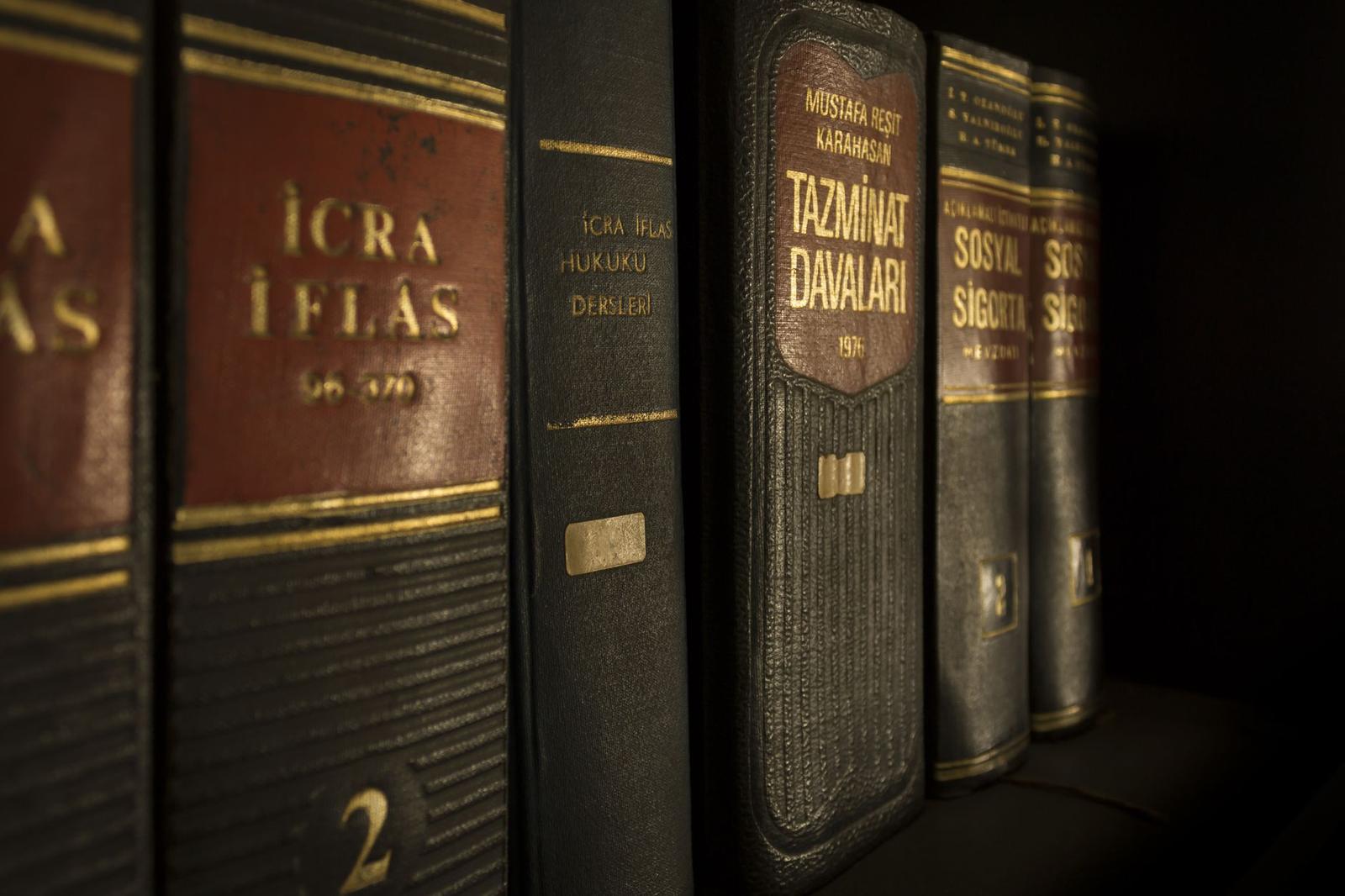
Shelves of law books
A lawyer writing over documents
02 · The filing

The draft starts with structure, the theory and the gaps flagged.

  • The structure is the firm's. It starts from the format you use, not from an off-the-shelf template.
  • It pulls the right theory. The brief, the ruling and the past filing of the same kind — with the citation, so you can check.
  • It flags what is missing. A document not attached, a fact without evidence, a request without grounds. The gap is written down, not glossed over.
  • It starts as a draft. The system delivers the skeleton and the repertoire; a lawyer signs — and judges.
By configuration
03 · The whole case

Nothing is left half done just because the week rolled over.

  • A living checklist per case type. What to gather, what to ask the client for, what to file — and what is already done.
  • What was left open in the consultation becomes a task. What the client was going to send and you were going to check doesn't die in the recording.
  • The client is reminded without you doing it. From the same number, in your tone, and only about what is missing.
  • Each lawyer's queue for the day. What needs your signature today, what is blocking someone else, what can wait.
By configuration

Why this rarely comes together

Deadline tracking exists. Filing editors exist. AI chat exists. What almost doesn't exist is all three reading the same library and the same history — and that is where the gain is: the alert knows what is missing because it read the checklist, the draft knows the theory because it read the library, the checklist knows what the client said because it read the conversation.

Across three different systems, someone has to be the bridge. That someone is expensive — and human, which is to say, forgets.

Where the team follows along

Nobody needs to open anything to get work done. But when they do, the firm is right there.

Cases · Barros & Vilela updated just now
First contact7
Marcos A.Employment10:47 p.m. · WhatsApp
Renata C.Consumer9:02 p.m. · WhatsApp
Consultation booked4
Paulo M.Social SecurityThu · 10:00 a.m.
Ana L.FamilyFri · 3:30 p.m.
Under review3
Jorge S.TaxMs. Vilela
Retained2
Célia R.EmploymentMr. Barros
3 min
to first reply, median
41%
of messages after hours
12
consultations booked this month
2
urgent matters escalated

Nobody types the numbers at the bottom: they come from what the conversation already logged.

A hand signing a document with a pen
Paid consultation

If you charge for the consultation, charge before it — without the awkwardness.

If the firm charges for consultations, the assistant generates the payment link and checks that it was paid before confirming the slot. If it doesn't, the piece stays off and never shows up.

  • The amount never goes through the AI. Amount and payee come from the server — the tool the model sees has no field for an amount or a destination.
  • Every link belongs to the code's owner. Verification fails closed — when in doubt, it denies.
  • Pix (Brazil's instant payment system) and boleto (bank payment slip) are already mapped; connecting them to the firm's account is configuration.
Demo

Both sides of the same conversation.

Write as someone looking for a law firm. Triage picks the area, that area's specialist replies — and the panel alongside shows what the firm received.

This is a demo, and the firm doesn't exist.

Barros & Vilela is fictional, and so is its data. What is real is the engine: the same triage, the same specialty registry and the same agents that answer on a client firm's WhatsApp. The specialists serve a Brazilian firm, so they may reply in Portuguese. Replies are general guidance — not legal advice, and none of them replaces a lawyer.

You are the client

The person who contacted the firm

Describe the problem the way you would on WhatsApp. A dismissal, a defective product, child support, a social security claim.

You are the lawyer

What the firm received

No staging: it is the decision triage just made, with the time it took.

As soon as the client writes, the triage shows up here.

On WhatsApp this same triage records the case in the client's file and alerts the lawyer in charge. Here, through the web door, it only shows it — the demo firm has no number, and the page doesn't make one up.

The other end

Liked what you saw? Talk to sales.

The site assistant answers from the material on this page and books the thirty-minute call on the real calendar. The slot comes from the calendar; the invite goes to the email you type — never to one the conversation guessed.

First: privilege, LGPD and the Bar
05 · Privilege, LGPD and the Bar

What is yours stays yours.

Six questions on confidentiality and the LGPD (Brazil's data protection law), no jargon. The last one only exists in the legal profession.

01
"Where do my clients' conversations and documents live?"

On our own servers, not in a foreign cloud whose location nobody can name. If your policy requires it, even the AI engine runs in-house.

02
"Can one client see another client's case?"

No. Each firm is a separate house, and the separation is built into how the data is stored — not into someone remembering to configure it right.

Within the firm, each conversation is bound to the lawyer + client pair: someone who talks to two lawyers has two cases that never cross.

03
"Will the AI say something foolish to my client?"

Guidance is always general, with case analysis reserved for the lawyer. When your library has no answer, it says it will check instead of improvising.

You are the one who draws the line between what is automatic and what waits for a person.

04
"Can it do whatever it wants in my system?"

It only does what is on the list you approved. That isn't a promise of good behavior: whatever is not on the list doesn't exist for it — the key opens one room, not the building.

05
"How do I prove what happened?"

It logs which conversation produced which case, when, and based on which passage of your material. If the client disputes something, you open the history instead of digging through someone's email.

06
"And the OAB?"

It is the right question — the OAB is the Brazilian Bar Association, and its rules shaped the design rather than being patched in afterwards:

  • There is no solicitation. The assistant serves people who contacted the firm. What the Bar Statute prohibits (art. 34, III and IV) is drumming up cases through intermediaries; answering someone who knocked on the door never was that.
  • Clients know they are talking to an AI before any guidance — and that is a step in the flow, not a sentence the model might forget.
  • It doesn't promise outcomes, doesn't estimate the value of a claim and doesn't disclose fee schedules to the client.
  • Professional identification and case retention are part of the configuration, and deletion at the data subject's request doesn't require a ticket.

What we don't have yet: a legal opinion on this whole setup signed by outside counsel. It is written and awaiting review. Until it is signed, we say exactly this — and not that it "is compliant".

Beyond the six

The basics, done.

  • 01Audited from the outside. The platform went through an independent security audit, and what it flagged was fixed — including what wasn't easy.
  • 02Secrets stay secret. System keys and credentials are encrypted. Nobody on our team can read yours.
  • 03Nothing gets lost. A copy of the database on another machine, every day. A server failure doesn't become a lost case.
  • 04Conversations don't become training data. The content of your client conversations is not used to train models.

We don't claim it is 100% bulletproof — whoever says that is selling, not explaining. If anything here doesn't match your policy, we talk it through before you sign.